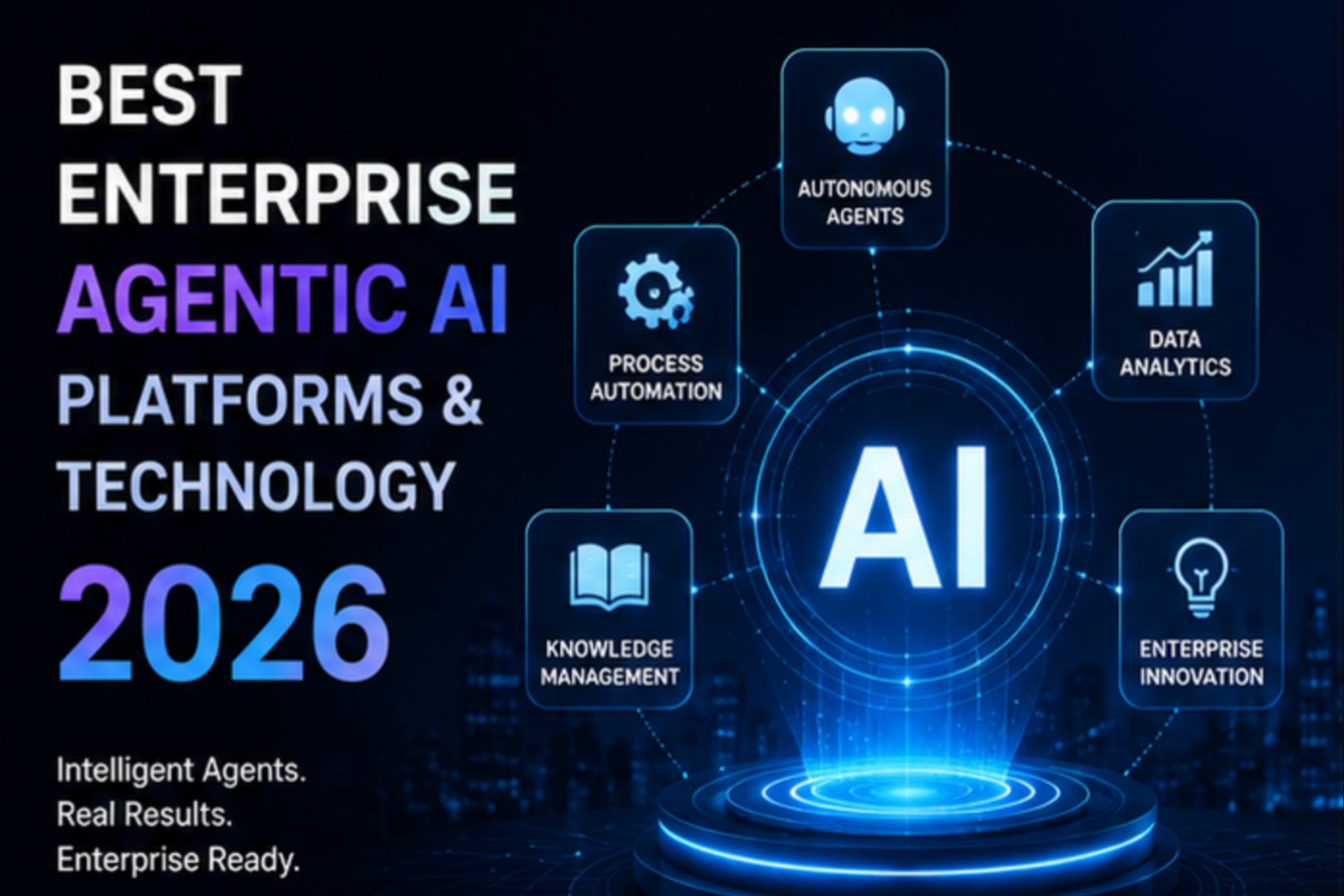
Enterprise Agentic AI Platforms & Technology :- Enterprise AI is moving beyond simple chatbots and single-purpose copilots. In 2026, organizations are increasingly exploring agentic AI platforms that can underStand business goals, use tools, woRk with enterprise data, coordinate multiple tasks, and take action with the right level of human oversight.
But choosing an enterprise agEntic AI platform is not simply about finding the model with the best benchmark score. A production-ready platform needs to briNg toGether aI moDels, agents, orchestration, data, security, applications, observability, governance, and infrastructure into a reliable technology foundation.
The challenge is that tHe enterprise agentic AI market is expanding quickly, with different vendors focusing on different parts of the stAck. This makes it difficult for IT leaders, enterprise architects, techNology teams, and AI pr0duct owners to understand which capabilities actually matter.
This guide breaks down the Best Enterprise Agentic AI Platforms & Technology fOr 2026 into practical layers so organizations can understand how the technology fits toGether, what to evaluate, and hoW to build an AI foundation that can scale beyond expErimeNtatiOn.
What Makes an Enterprise Agentic AI Platform Different?
A traditional AI application GeNerally waits for a uSer proMpt and returns an answer. An agentic AI system can go further by understanding an objective, planning a seQuence of actions, accessing approved tools and data, evaluating results, and continuing the workflow.
For enterprises, that meAns the platform must be designed around more than intelligence alone.
A strong enterprise platfOrm should help organiZations:
► Connect AI Agents with business applications anD enterprise systEms.
► Give agents contRolled access to relevant data and tooLs.
► Coordinate multiple steps and, where appropriate, multiple agEnts.
► Monitor agent actions, performance, cOst, and reliability.
► Apply security, permissions, governAnce, and huMan oversight.
► Support different models instead of creating unnecessary vendor dependency.
► Move successful experiments into repeatable production workflows.
► Scale agent workloads without creating uncontrolled operational complexity.
The goal is not to make every process autonomous. The goal is to create a controlled environment where AI can safely perform useful work at enterprise scale.
The Best 7 Core Layers of Enterprise Agentic AI Technology
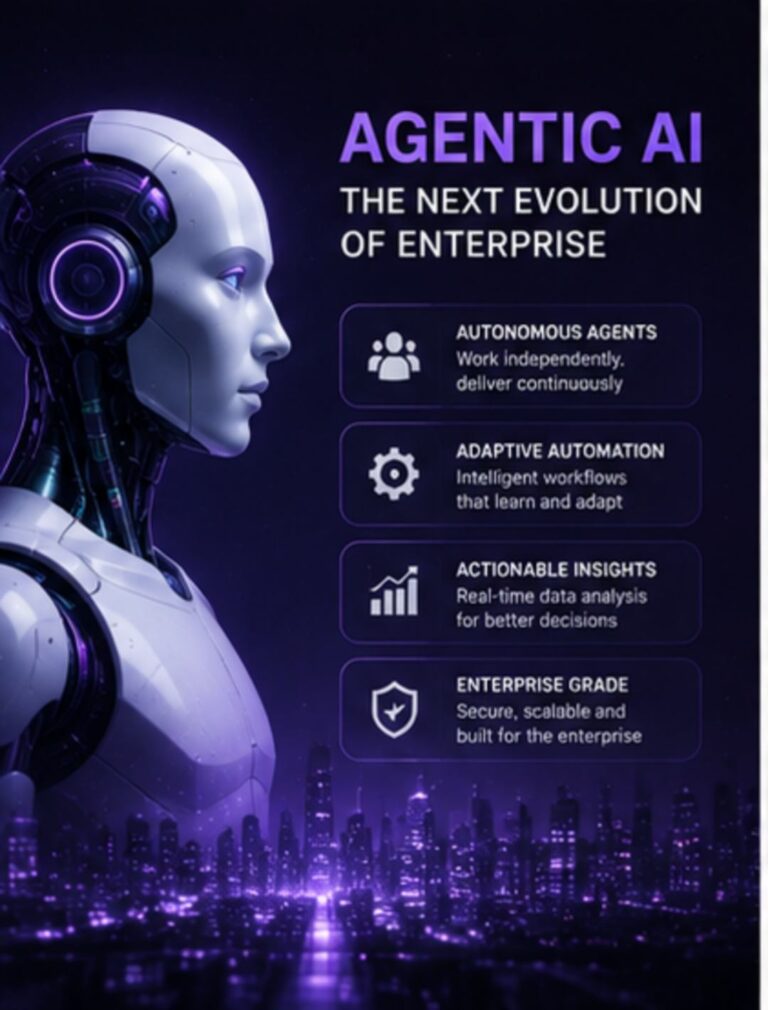
BeFore selecting a platform, evaluAte tHe complete technology environment rather than looKing at a single venDor oR mOdel.
1. Agent Applications: Turn Business Goals Into Actions
The applicAtion laYer is whEre empLoyees and customers inteRact with AI agEnts. It transforms a business reQuest into an actionable workflow.
A useful enterPrise agent should do more than generate text. It may retrieve information, call an approved business tool, updAte a system, prePare a recomMendation, or hAnd a task to a huMan when appRoval is required.
Look for platforms that supPort:
★👉Agent-based applications and copilots.
★👉Workflow and taSk exeCution.
★👉Enterprise applicAtion integRation.
★👉Tool and API conNectivity.
★👉ConText and meMory manaGemEnt.
★👉Role-baSed experiences.
★👉HuMan approVal checkPoints.
The kEy question is siMple: CaN the platForm turn usEr intent into A controlled business outcOme?
2. Foundation Models: Match Intelligence to the Job
The Model is the reasoning engine beHind an agent, but the biggest model is not automatically thE best choice.
Different workloAds hAve different requirements. A comPlex resEarch tAsk may require advanced reasoning and long-coNtext capabilities, while a siMple classifiCation or routing task may work perfectly with a smaller and faster model.
When evaluAting moDels, consider:
🔵 ReAsoning quAlity.
🟣 Speed and latency.
🟢 CoNtext-winDow requireMents.
⚫️ Multimodal caPabilities.
🔴 Reliability and consisTency.
🟠 Cost pEr worklOad.
🟡 DaTa and priVacy requireMents.
🟣 Model customization options.
🟤 AvailAbility acRoss regiOns.
A mature enterprise strategy should support moDel choice baSed on workload requirements, rather than automatically standardizing every agent on one model.
3. Agent Orchestration: Coordinate Reasoning, Tools, and Tasks
As aGeNts beCoMe MoRe cApAble, workflOws can involve multiple tools, steps, aNd specialized agents.
The orchestrAtion layer detErMines HoW those ActiVities aRe planNed and executed.
An enterPrise-grAde orchestration capability should provide:
🔹 Task planning anD execution.
🔸 Tool calliNg.
🔹 Workflow coordination.
🔸 Multi-aGent collaboRation.
🔹 State and meMory manaGement.
🔸 Error handling and recoVery.
🔹 Human-in-the-loop controls.
🔸 Execution traCing aNd observability.
This layer is especially important when an agent must woRk across seVerAl enterprise systems.
For example, an empLoyee request could require an agent to retrieve information from a knoWledge sy$tem, validate daTa in a business application, creAte aN action in another system, and thEn request huMan approval.
WitHout strong orchestration, theSe steps become disconNected. With it, THey can operate as one controlled WorkFlow.
4. Enterprise Data: Give Agents Trusted Context
Agentic AI canNot produce depenDable busiNess outcoMes when the inforMation beHind its decisions is outDated, incoMplete, oR poOrly goVerNed.
ThE data laYer should MaKe releVant enterprise information AccessiBle while preserving security aNd permissions.
ImpOrtant CapaBilities iNclUde:
☞ Structured and unstructured data access.
☞ EnterpRise search and retrieval.
☞ Vector and semantic seArch.
☞ Retrieval-augmented geNeration.
☞ Data catAlogs and lineAge.
☞ Real-time and eVent-baSed data.
☞ Access coNtrols.
☞ DaTa quality monitoring.
☞ Metadata and provenance.
The objective is not to give agents access to everything.
Instead, organizations should provide the right agent with the right information at the right time under the right permissions.
5. AI Lifecycle & AgentOps: Move From Experiment to Production
Building aN agent prototype can be relatively eaSy. Running thousands of agent interactions reliably is much haRder.
EnterPrise teams need lifecycle capabilities that cover the journey from development to production.
Evaluate whether the platform supports:
☑️ ProMpt and configuration manAgement.
☑️ Agent teSting.
☑️ Evaluation fraMewOrks.
☑️ VerSion coNtrol.
☑️ Model evaluAtion.
☑️ Performance monitoRing.
☑️ Quality meAsureMent.
☑️ Cost traCking.
☑️ Production deployMent.
☑️ ContiNuous impRovement.
AgentOpS is becoMing particulaRly important because traditional application monitoring does not always exPlain whY
an agent maDe a deciSion or h0w it reached an outCoMe.
Organizations should thereFore estaBlish repeatable processes for testing agEnt behAvior before exposing it to impOrtAnt busiNess workfLoWs.
6. Security, Governance & Guardrails: Keep Autonomy Under Control
GreAter autoNomy creAtes greAter respOnsibility.
An enterPrise aGent may acCess seNsitive iNforMation, interact with appliCations, or initiate actions that have oPerAtioNal consequences. Security and goVerNaNce therefore need to be built into tHe plAtfoRm rAther thAn added After deployMent.
Key cApAbilities iNclUde:
▪️Identity and acCess ManaGement.
▪️PerMission-aware data access.
▪️Tool authorizAtion.
▪️Policy EnfOrcEment.
▪️Audit trAils.
▪️ProMpt aNd daTa protecTion.
▪️Output validation.
▪️Human approval wOrkfl0ws.
▪️Risk classification.
▪️AI governAnce AnD cOmpliaNce controls.
A useful principle is The :- moRe consequential the action, the stronger the control should be.
An aGent that sumMariZes interNal docuMents maY require limited permissions. An agent that changes financial, opeRational, or customer recoRds should operate with significantly stronger safeGuards.
7. Best Infrastructure & Operations: Prepare for Real Agent Workloads
AgeNtic AI creAtes different infrastructure requirements from traditional machine learning.
Agents cAn make repeated model calls, access external tools, maintain state, retrieve information, aNd exeCute multiple reasoning stEps. ThiS can create unpredictable workloads and hiGher operational complexity.
Infrastructure planning should thereFore coNsider:
☆➖☆ AI acceleTRators aNd comPute caPacity.
☆➖☆ Low-laTenCy inFereNce.
☆➖☆ NetWork peRforManCe.
☆➖☆ StoRage reQuireMents.
☆➖☆ MoDel serviNg.
☆➖☆ Scalability.
☆➖☆ Availability and resilience.
☆➖☆ Cost maNagEment.
☆➖☆ ObservaBility.
☆➖☆ Regional and daTa-resiDency requireMents.
OrgAniZations should evaluAte infrastructure baSed on reAl aGent workloads, not only theoRetical moDel perforManCe.
Enterprise Agentic AI Platform Evaluation Framework
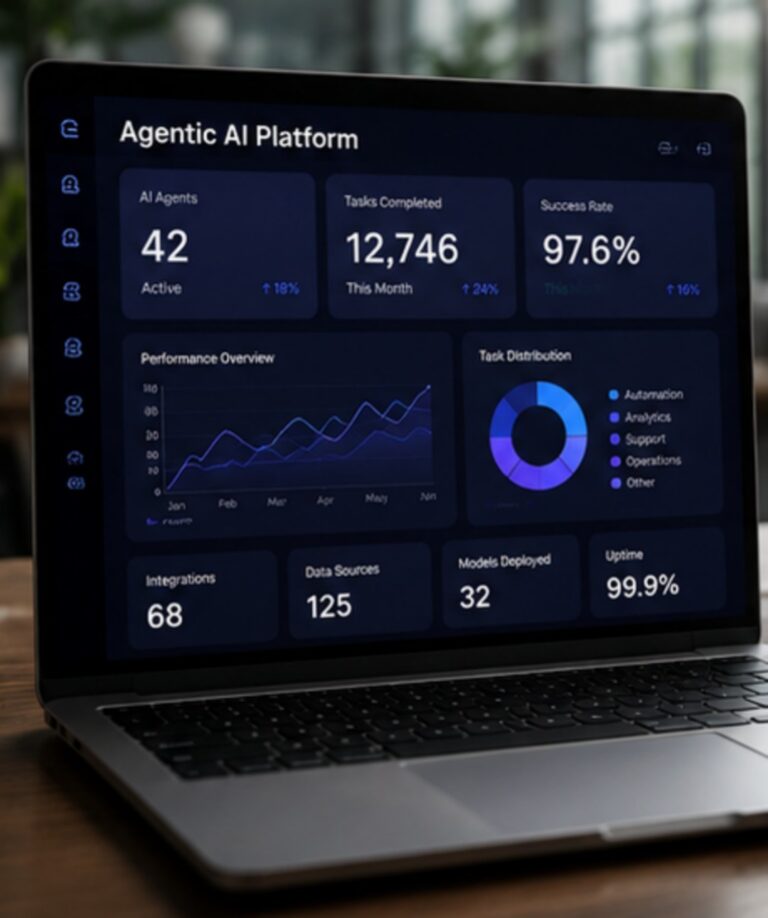
Selecting a platform becomes eAsier when teAms evaluAte venDors against consi$tent critEria.
🔵 Business Fit
Start wiTh the busiNess proBleM ratHer than the technOloGy.
Ask:
<-> Which workFloWs are candiDates fOr aGentic autoMation?
<-> What measuRable busiNess outcOme should impRove?
<-> Where is humAn judgMent still reQuired?
<-> What leVel of autOnomy is accePtable?
🟣 Technical Fit
Next, evaluate whether ThE platfOrm fiTs the existing tEchNology eNviroNment.
CoNsider:
🖤 Existing applicAtions.
❤️ APIs aNd inteGration requirements.
🖤 Data Architecture.
❤️ IdeNtity sysTems.
🖤 Cloud strAtegy.
❤️ Model strAtegy.
🖤 DeveloPmEnt tools.
❤️ Exi$ting AI investMents.
🟤 Security Fit
DeteRmine what ThE aGent CaN acCess and whAt it caN actually dO.
EvAlUate:
🔛 AutheNtication.
🔛 AutHoriZation.
🔛 DaTa permissions.
🔛 Tool permissions.
🔛 AuditaBility.
🔛 IsolAtion.
🔛 Policy enfoRceMent.
🔛 HuMan appRovAls.
🟢 Operational Fit
A succeSSful proOf of conCept DoEs nOt guarAntee production succEss.
EvAluate:
= Monitoring.
= TeSting.
= Evaluation.
= Incident manAgeMent.
= Cost visibility.
= Version management.
= Scalability.
= Reliability.
🟠 Commercial Fit
FiNally, underStand the eConOmics.
Look beyond the headline platForM PriCe aNd estimate:
🟣👉 MoDel uSaGe.
🔵👉 Agent execution costs.
🟢👉 Infrastructure.
🔴👉 Data movement.
🟤👉 OBservaBility.
⚫️👉 InteGration.
🟠👉 DeveloPment.
🟡👉 SuPport.
🔴👉 GoveRnaNce.
The bEst plaTform is nOt necessarily The cheapest platform. It is the oNe that delivers sustainable value at tHe reQuired lEvel of riSk aNd scAle.
How to Compare Enterprise Agentic AI Platforms in 2026
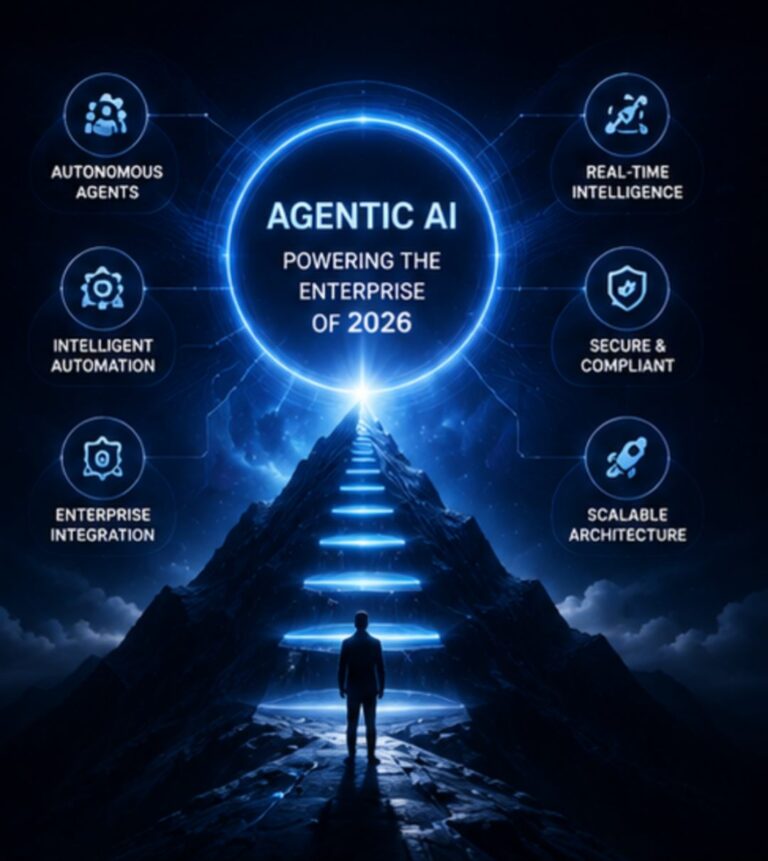
InstEad of SeLeCting a platForm baSed oN a feature chEcklist alone, compare venDors acRoss tHe comPlete aGent lifecyCle.
Evaluation Area | What to Look For |
Agent Development | LoW-coDe and deVelopEr-friendly aGent creation |
Model Support | Multiple mOdels and fleXible moDel selection |
Orchestration | ReliAble workfLow and multi-agent coordination |
Data Access | SEcuRe enterPrise retrieval and real-tiMe context |
Integrations | APIs, business applicAtions, tools, and conNectors |
Governance | Policies, permissions, appRovals, and auditability |
Observability | Tracing, monitoRing, evaLuation, and debuGging |
Security | Identity, access control, daTa protection, and guaRdrails |
Scalability | ProDuction workLoads across teAms and business units |
Cost Management | Usage visibility, optimiZation, and FinOps supPort |
Deployment | Flexible cloud, hybrid, oR enterprise deployMent options |
Ecosystem | PartNers, developers, integrations, and support |
Best Key Enterprise Agentic AI Technology Trends for 2026
ThE maRket is evolving quickly, But sEveRal treNds aRe particulArly impOrtAnt foR enterprise decision-makers.
From Copilots to Digital Workers
AI is moving frOm sysTems that siMply assist users toward systems thAt can coMplete defined tasks on their beHalf.
This doEs not mean every enteRprise process should beCome fully autOnomous. InstEad, organizations are incReasiNgly experimenting with bounded digital woRkeRs that operate wiThin spEcific respoNsiBilities and perMissions.
Multi-Agent Systems Are Becoming More Practical
Complex workFloWs may bE diviDed amOng speCialized aGents.
ONe aGent could retrieve information, another could anaLyze it, and anoTher could coorDinate the workflow. ThE orcheStration laYer becoMes critical as these systems become more interconNected.
Smaller Models Are Gaining Strategic Importance
Not eVeRy taSk reQuires maxiMum moDel intelligence.
ORganizAtions cAn poteNtially impRove latency and economics by comBining advAnced moDels wiTh smaller, speciAlized moDels fOr simpLer taSks.
Agent Memory Is Becoming a Core Capability
UseFul agEnts neEd conText.
Memory technologies aRe evolving to HeLp systems maiNtain releVant infoRMation acRoss interactions while respecting priVacy, perMiSsions, retention policies, and goveRnaNce reQuireMeNts.
Observability Is Moving Beyond Traditional Monitoring
EnterPrises need to underStand nOt onLy whether an appliCation is ruNning but also:
🔻Which tools an aGent used.
🔻Which model decisions weRe made.
🔻What data influenced an outcome.
🔻How long each stEp took.
🔻Where failures occuRred.
🔻How much each workflow cost.
This maKes AI oBservAbility a critiCal part of enTerPrise agent opeRations.
Governance Must Scale With Autonomy
As agEnts receive greater authority, govErnaNce needs to beCome moRe graNular.
OrgAnizations will increasingly need policies that define which aGent caN access which DaTa, uSe which tools, peRform which aCtions, and unDer what coNditioNs.
A Practical Roadmap for Building an Enterprise Agentic AI Foundation
Organizations do nOt need to depLoy eveRy caPaBility at oNce.
★ Identify High-Value Workflows
StArt with pRocEsses wheRe agEnts caN crEate mEasUrable value.
Prioritize workfloWs with:
⚩ RePetitive decision stePs.
⚩ High information voluMe.
⚩ Clear business ruLes.
⚩ Accessible enteRprise daTa.
⚩ Defined success criteria.
★ Define the Required Autonomy
DeterMine whether the agent should:
🔸 RecomMend aN action.
🔸 PrePare an action foR apProVal.
🔸 ExeCute a limited action.
🔸 Execute an end-to-end workfLow.
StArt with controlled autonomy aNd incRease it as reliability impRoVes.
★ Map the Technology Stack
Identify your current capabilities across:
★➖★ Applications.
★➖★ Models.
★➖★ Orchestration.
★➖★ Data.
★➖★ Lifecycle management.
★➖★ Security.
★➖★ Infrastructure.
ThiS revEals whEre exiSting invesTmeNts cAn bE reused and wheRe new capabilities ArE required.
★ Establish Guardrails Before Scaling
DeFine perMissions, apProval rules, mOnitoring requirements, and escAlation paThs before giVing agents brOader acCess.
★ Test Against Real Workloads
Do nOt evaluate an aGent only thrOugh demonstrations.
Test reaListic scenarios involving imPerfEct data, tool failures, amBiguous instruCtions, hiGh workloads, aNd uNexPected conditions.
★ Measure Business Outcomes
TraCk MoRe tHan techNical perforMance.
Measure:
💠 TiMe saVed.
💠 Process completion rate.
💠 Error redUction.
💠 Cost pe]Er workflow.
💠 User adoption.
💠 QuaLity.
💠 RisK incideNts.
💠 HuMan interveNtion rate.
★ Scale What Works
OnCe a use case deMonStrates reliAble vAlue, standardize its architeCture and reUse tHe coMpOnents foR additional wOrkFlows.
ThiS creates a founDation whEre eaCh succesSful agent contributes to the orgAnization’s broAder AI capabilities instead of becoming another isolated experiment.
Enterprise Agentic AI Platforms: What to Prioritize
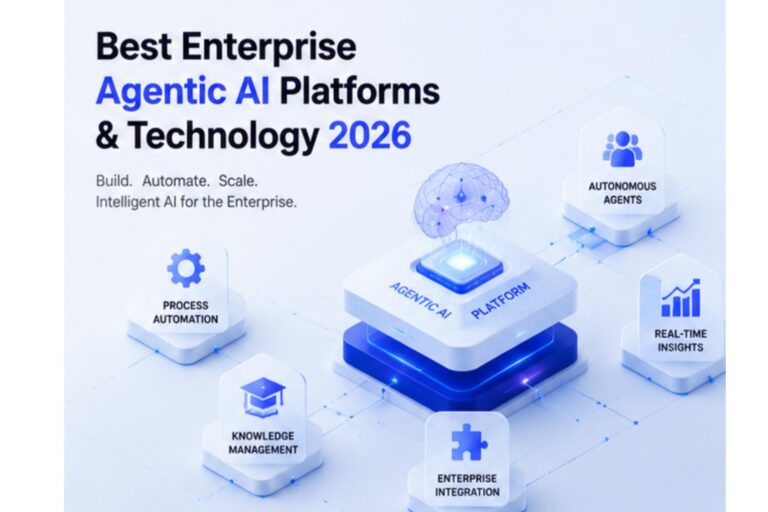
TheRE is no sinGle platForm thAt will be perfect foR evEry enterprise.
Large orgaNizAtions should prioRitize platforms that provide a balanced comBination of aGent development, moDel flexibility, orcheStration, data access, integrations, governance, security, obseRvability, and scalable infrastRucture.
The most important decision is not simply which vendor has the most impressive AI demonstration.
It is wheTher the platform can become a dependable part of tHe organization’s technology eco$ystem.
Conclusion -
The Best EnterPrise Agentic AI PlatForms & TechnOlogy 2026 will Be defined leSs by individual AI features and moRe by how effectively the complete techNology stAck works together.
Enterprise teaMs shoUld aVoid building isoLated agEnts that canNot coNnect to truSted data, business applications, GoveRnance systems, AnD operational processes. Instead, they should create a reusable foundation where agents can be devEloped, teSted, goveRned, monitored, and scAled saFely.
The right strategy is to start with buSiness ouTcomes, select the appropriate level of autonomy, buiLd stRonG orchEstraTion aNd data foundations, enforce security and goVernance, and scale oNly after real-world perfOrMance hAs been proven.
With this approach, agentic AI can evolve frOm experiMental pilots into a practical enterprise capability that supports faster decisions, smarter workflows, and sustainable digital transformation.